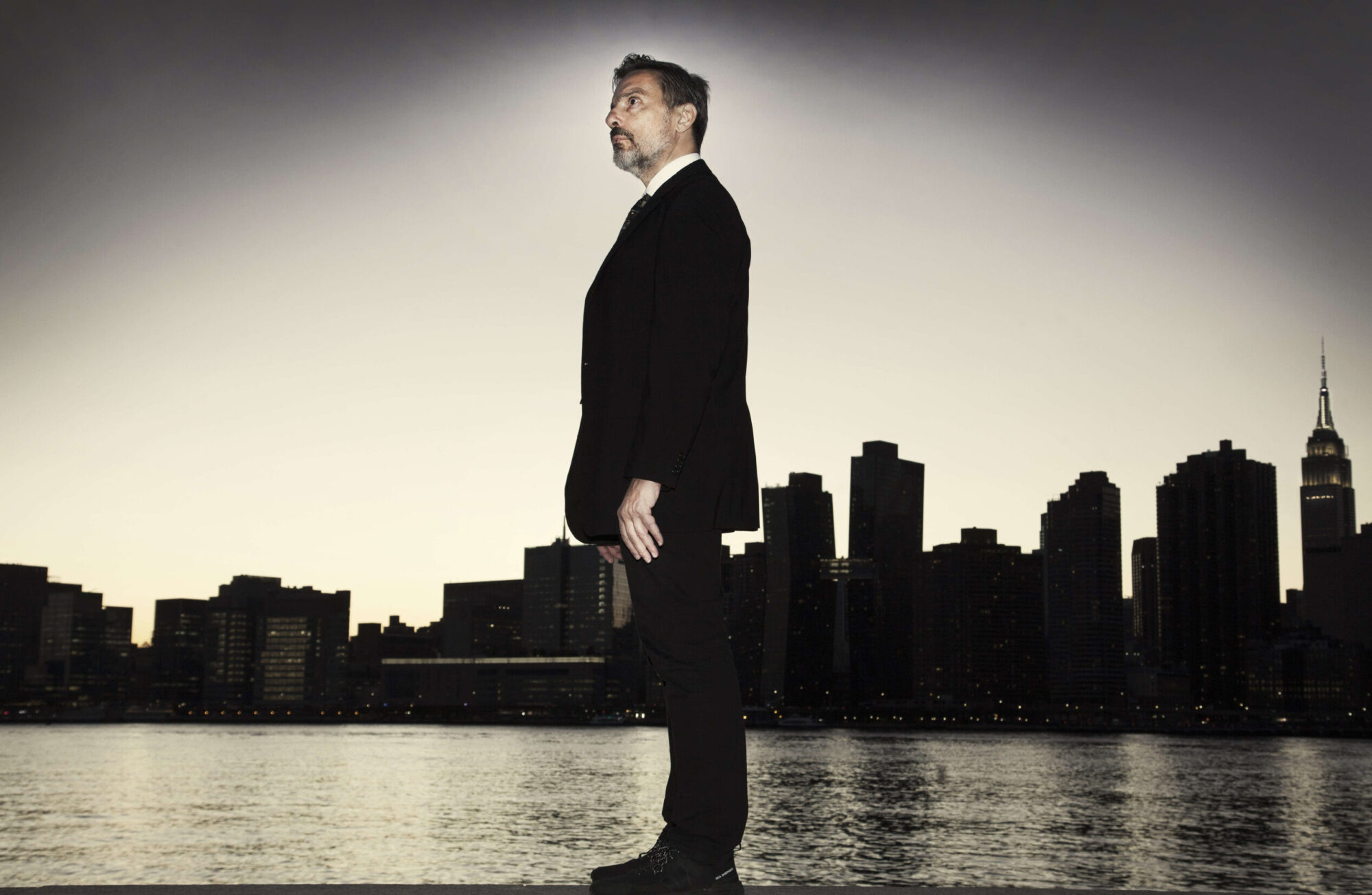
An evening to immerse in the vibrant dance culture of Ukraine
Stimmen aus Kyiv
Wie Tanz Menschen in Kriegszeiten zusammenhält.
Am 8. Oktober lädt die Insel zu einem Abend, der zeigt, wie Bewegung und Gesang Gemeinschaft stiften, selbst wenn die Welt um einen herum zerbricht.
Ricardo Viviani berichtet von seiner zehntägigen Arbeit in Kyiv im Dezember 2025: einer Stadt, die im Ausnahmezustand weiter tanzt und singt – und damit ihre eigene kulturelle Kontinuität verteidigt. Videoausschnitte, Gespräche und Erinnerungen formen eine verkörperte Oral History, in der Tanz als Wissensträger, als Archiv und als Widerstandskraft erscheint.
Der Abend gibt einen Einblick in jene Momente, in denen Tanz und Gesang Menschen zusammenhalten: in Schutzräumen, auf improvisierten Bühnen, im Museum mit Notstrom. Begegnungen mit Künstlerinnen, Archivleiterinnen und jungen Tänzern eröffnen ein neues Verständnis von Tanz als immateriellem Erbe – und zeigen, warum diese Arbeit gerade jetzt notwendig ist.
Ein Abend über menschliche Resilienz, Körpergedächtnis und die Kraft von Tanz und Gesang, Humanität zu bewahren.
Ricardo Viviani arbeitet als Choreograph und Oral‑History‑Forscher in Wuppertal; seine Interviews im Pina‑Bausch‑Archiv, seine dokumentarischen Arbeiten und seine Texte erkunden die flüchtige Verbindung zwischen Körper und Vermächtnis. Der Countertenor Vladyslav Shkapurupilo, Gewinner des Willy‑Caron‑Awards 2026, bringt eine junge ukrainische Stimme in den Abend ein.
About the Project
Dance is memory in motion.
When a dance disappears, it is not only a performance that is lost. Knowledge disappears with it: ways of moving, teaching, creating, gathering, celebrating, resisting and belonging. Some of that knowledge remains in archives. Much of it remains in people.
This is the starting point of Oral History for Dance Heritage, a project developed with Ukrainian artists, researchers and museum professionals in Kyiv. The work asks a simple but difficult question: how can dance become part of cultural heritage when so much of it is carried by living bodies and memories?
I came to this project through many decades of dancing, choreography, teaching and research, followed by ten years of Oral History work at the Pina Bausch Foundation. There I had the opportunity to develop, test and mature my practice in an important archival environment in my field, working with dancers and other professionals involved in Tanztheater.
But the Ukrainian project is not simply an application of that experience. It is a meeting with another dance culture and another history.
Dance has many faces. There are works created for the stage, but also social dances, traditional dances, street and club practices, dance in schools, music videos, contemporary projects, community work and many other forms. Each carries knowledge about the people and societies in which it exists. Much of this history is poorly documented, scattered among private collections, memories and personal archives.
During my stay in Kyiv, I conducted interviews with people whose experiences form part of this living history. These conversations became part of the larger process of thinking about how Ukrainian dance might be documented, preserved and brought into museum and heritage practice.
The National Art Museum of Ukraine has since begun developing protocols for taking dance into its collection. This is an important step: not only preserving objects about dance, but creating ways for the knowledge and histories surrounding dance to enter an institution traditionally built around material works.
Why It Matters
Preserving cultural memory can seem secondary in times of war. I believe it is not.
Culture is part of how people recognize themselves, remember where they come from and imagine what comes next. To document dance is therefore not simply to preserve performances. It is to preserve human experience and the many ways people have moved through history.
The Kyiv Material
During my ten-day stay in Kyiv in December 2025, I conducted Oral History interviews with artists and other professionals involved in Ukrainian dance and its cultural context. The interviews form part of the documentary material behind Voices from Kyiv.
The evening brings selected voices together with moving images and excerpts from my report on the project. The intention is to allow the testimonies to be encountered alongside the dance itself, rather than treating the interviews as explanations of it.
Lullabies
Ukrainian lullabies form a further part of the evening. Performed by Ukrainian countertenor Vladyslav Shkarupilo, the songs introduce another form of cultural transmission: voice, memory, childhood and the passing of experience between generations.
The lullabies are not presented as an illustration of the dance material. They offer another way into Ukrainian culture through a form of knowledge carried by voice and transmitted across generations.
An Evening in Three Voices
Report — an extended account of the project and its questions.
Oral History — excerpts from interviews conducted in Kyiv, accompanied by dance footage.
Song — Ukrainian lullabies performed live, bringing another dimension of cultural memory into the room.
Together, these elements create an evening in which Ukrainian dance culture can be encountered through testimony, movement and song.
Archival Material:
Project report; Oral History interviews conducted in Kyiv; video excerpts; photographs and archival documentation; presentation material; Ukrainian lullabies.
Post Scriptum — 8 October 2026
[To be completed after the event: audience, discussion, artistic contributions, documentation and subsequent developments.]
Contribution / Ertrag:
[To be completed after the event.]
Assessment / Relevanz:
[To be completed after the event.]
Keywords:
Voices from Kyiv; Ukraine; Kyiv; Dance Heritage; Oral History; Cultural Memory; Embodied Knowledge; Dance Culture; Resilience; Ukrainian Lullabies; Artistic Practice
External Links
INSEL Wuppertal — Programme
Internal Links
Journey to Kyiv
Oral History for Dance Heritage
Kyiv Press Conference
Archival Note: This page forms part of an ongoing personal archive documenting Ricardo Viviani’s professional work and activities over more than four decades. Names and other personal information appear where relevant to the documented work or collaboration. If you believe that information concerning you has been published incorrectly or should be reconsidered, please contact me.