A Chorus Line 1983
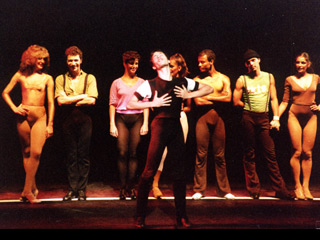
It was a singular sensation being touched by the line, as you can see in this picture.
Ricardo Viviani playing Greg in ‘A Chorus Line’.
Some well known actors can seen in this picture.
Can you name the people?
‘ACL’ in São Paulo * April 15th, 1983.
Oh! Calcutta!
Type: Musical Theater · Dance Work / Piece
Date: 1983–1989
Time-span: 1983–1989 — Ricardo Viviani’s documented and recalled period of participation
Context: Musical theater / revue; Brazilian productions, touring engagements and Broadway revival
Location: São Paulo, Brazil; Rio de Janeiro, Brazil; Brazil; Oslo, Norway; Israel; New York, USA
Role: Performer · Dancer · Singer
Status: Historical Record — incomplete / ongoing archival reconstruction
Oh! Calcutta! This page documents Ricardo Viviani’s participation in the musical theater work and revue Oh! Calcutta! during the 1980s, including engagements in Brazil, an Oslo tour, a recalled tour in Israel, and his participation as a guest on Broadway in New York. The record is being reconstructed from surviving archival material and personal recollection and is not yet complete.
The Work / Creation
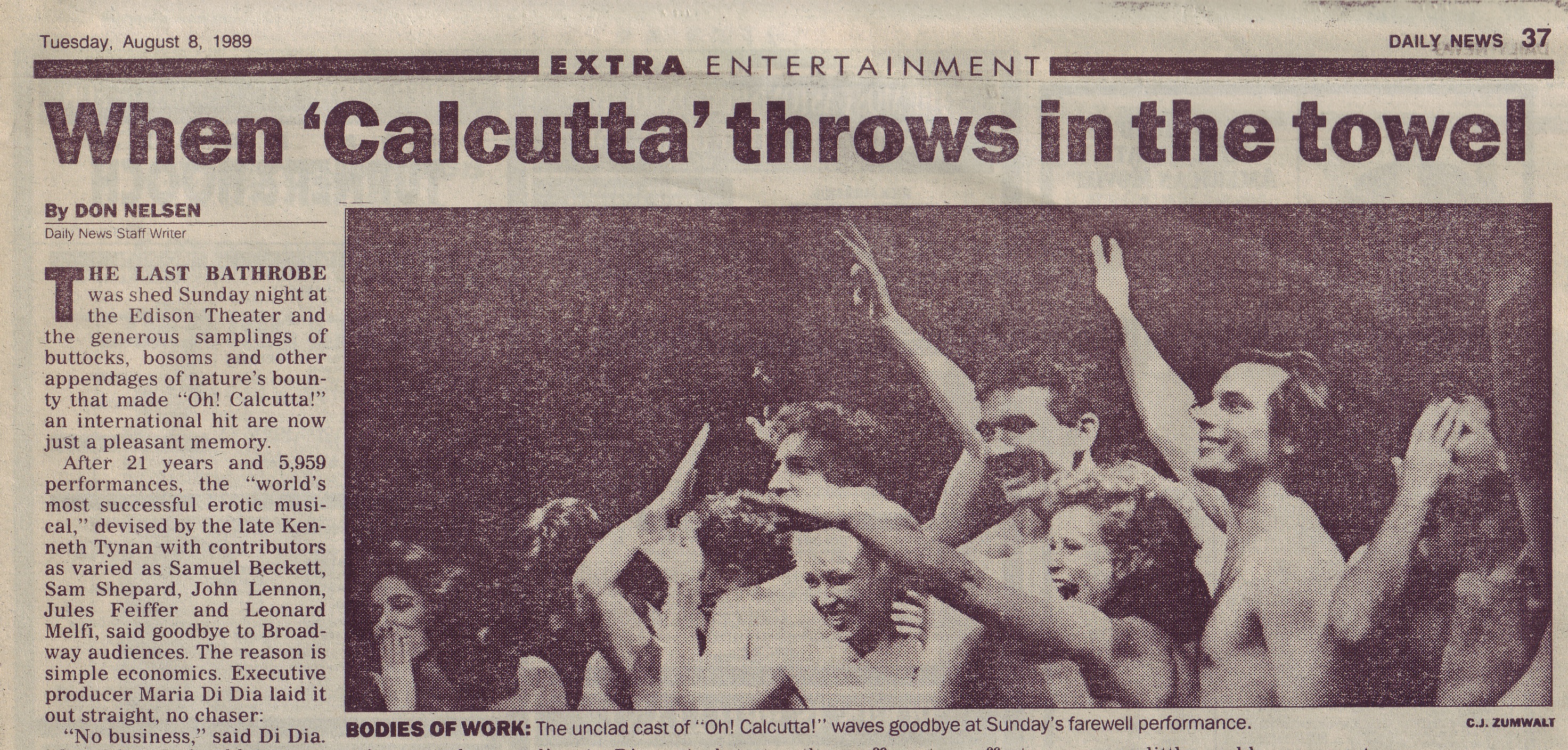
Oh! Calcutta! is a theatrical revue created by British drama critic Kenneth Tynan and produced by Hillard Elkins. It premiered Off-Broadway in New York in 1969 and subsequently had productions in London and elsewhere. The work combines sketches, music, dance and performance and became known for its treatment of sexuality and extensive nudity. The Broadway revival opened at the Edison Theatre on 24 September 1976 and closed on 6 August 1989 after 5,959 performances.
For this archive, Oh! Calcutta! is treated as the Work / Creation, while Ricardo Viviani’s individual engagements are understood as particular productions, tours or performance contexts of that work. The present page therefore functions as a work-level record that can later be connected to separate production and performance records as further documentation is identified.
Production
Ricardo Viviani participated in several different contexts of Oh! Calcutta! during the 1980s. The currently identified chronology includes São Paulo in 1983, Rio de Janeiro in 1984, a Brazilian tour, an Oslo engagement in 1986, a recalled three-month tour in Israel believed to date from approximately 1986, and guest participation in the Broadway revival in New York from 1986 to 1989.
The individual productions and touring engagements have not yet been fully separated into independent archive records. Where exact venues, dates, companies or production personnel remain undocumented, no additional details are asserted here.
Performance History
São Paulo — 1983
Ricardo Viviani participated in Oh! Calcutta! in São Paulo in 1983. Existing archive material identifies his participation as singer / dancer. The exact venue, performance dates and complete production information remain to be reconstructed.
Rio de Janeiro — 1984
Ricardo Viviani participated in the Rio de Janeiro production in 1984. Further documentation is required to establish the complete production record.
Brazilian Tour
Ricardo Viviani recalls participating in a Brazilian touring context of Oh! Calcutta!. The present archive does not yet establish a complete itinerary. Individual cities, venues and dates should be added when supported by documentation or clearly identified recollection.
Oslo, Norway — 1986
Ricardo Viviani recalls participating in an Oh! Calcutta! tour in Oslo in 1986. This is presently recorded as a personal recollection requiring documentary confirmation. No specific venue or performance dates are asserted at this stage.
Israel — approximately 1986
Ricardo Viviani recalls participating in a tour in Israel lasting approximately three months, believed to have taken place in 1986. The year and duration remain provisional pending documentary confirmation.
Broadway, New York — 1986–1989
Ricardo Viviani participated as a guest in the Broadway revival of Oh! Calcutta! at the Edison Theatre during the final years of its run. Surviving programme material dated 13 November 1988 identifies Ricardo Viviani as a member of the company and records multiple performance assignments.
The surviving programme documents Ricardo Viviani in different cast configurations and performance assignments including Attendant, One on One with Cheryl Hartley, Man #2 in Four in Hand, Dance for George, Interviewer, Nurse, One on One with Amy Fortgang and Love Lust Poem. The presence of different configurations is relevant to understanding that his participation was not necessarily limited to one fixed assignment.
Primary Source / Documentation
Format: Programme / Press Clipping / Photograph / Scan
Provenance: Ricardo Viviani Personal Archive
Status: Original / Facsimile / Archival scan
A surviving Edison Theatre programme dated 13 November 1988 documents Ricardo Viviani as part of the Broadway company and records multiple performance assignments. A Daily News clipping dated 8 August 1989 documents the closing of the Edison Theatre production after 5,959 performances. Additional photographs and press material remain in the archive and require further identification and contextualisation.
Reception / Critical Documentation
The broader critical history of Oh! Calcutta! includes substantial contemporary debate concerning its theatrical form, sexual subject matter and use of nudity. The work received sharply differing critical responses from the beginning, while its Broadway revival ultimately achieved an exceptionally long commercial run.
The surviving 8 August 1989 Daily News clipping documents the closing of the Edison Theatre production and its 5,959-performance run. It is preserved as contemporary press documentation rather than as an assessment by Ricardo Viviani.
Source: Daily News, 8 August 1989, archival clipping preserved in the Ricardo Viviani archive.
Personal Reflection
Ricardo Viviani recalls participating in Oh! Calcutta! in Brazil, on international tours including Oslo and Israel, and later as a guest on Broadway. The Oslo participation is presently recalled as taking place in 1986. The Israel tour is recalled as lasting approximately three months and is believed to have taken place in approximately 1986.
These recollections are retained as personal testimony and are intentionally distinguished from information established through surviving programmes, press material or other independent documentation. Further archival research may confirm, refine or correct the chronology.
Publication
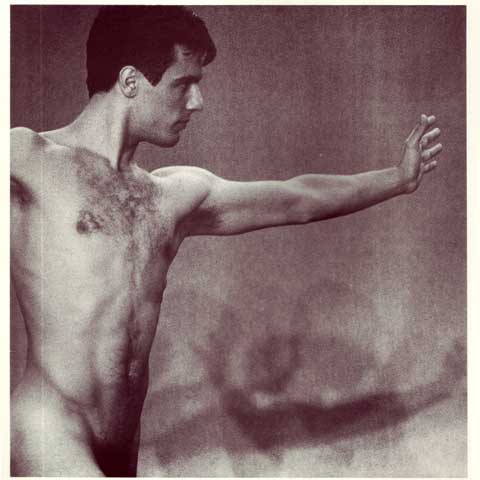
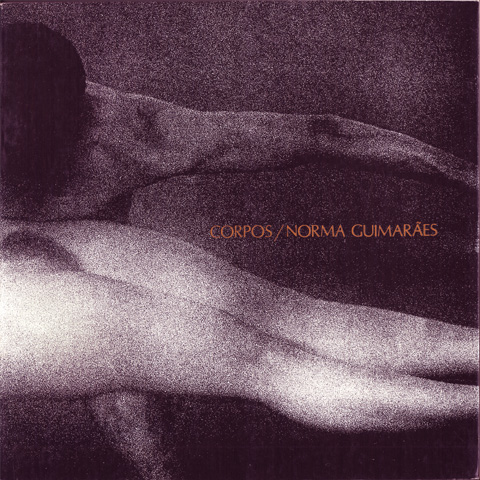
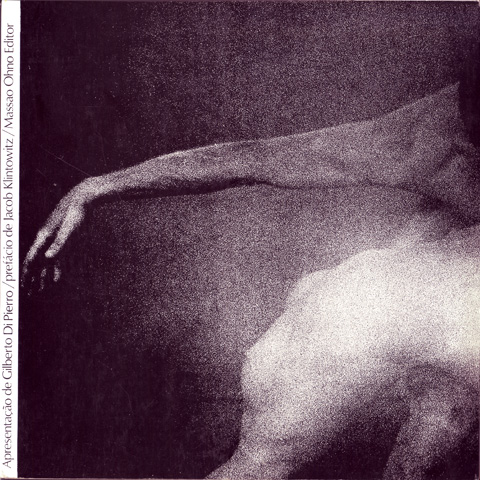
Corpos, a photographic publication by Norma Guimarães, was published by Massao Ono Editor in 1987. The publication includes a photographic essay by Norma Guimarães, presentation by Gilberto Di Pierro and preface by Jacob Klintowitz.
Ricardo Viviani recalls that the photographic session was made after a performance of Oh! Calcutta!, in and around the sets. Corpos is therefore treated as related publication and documentation, not as part of the work itself.
Archival Material
Archival Material:
Daily News clipping — 8 August 1989, Edison Theatre / Broadway programme — 13 November 1988, calcke00.jpg, calcke01.jpg, corpos00.jpg, corpos01.jpg, corpos07.jpg, corpos50.jpg, Dagsavisen archival press material
Continue reading “Oh! Calcutta!”
Bolero – Balé da Cidade de São Paulo 1982
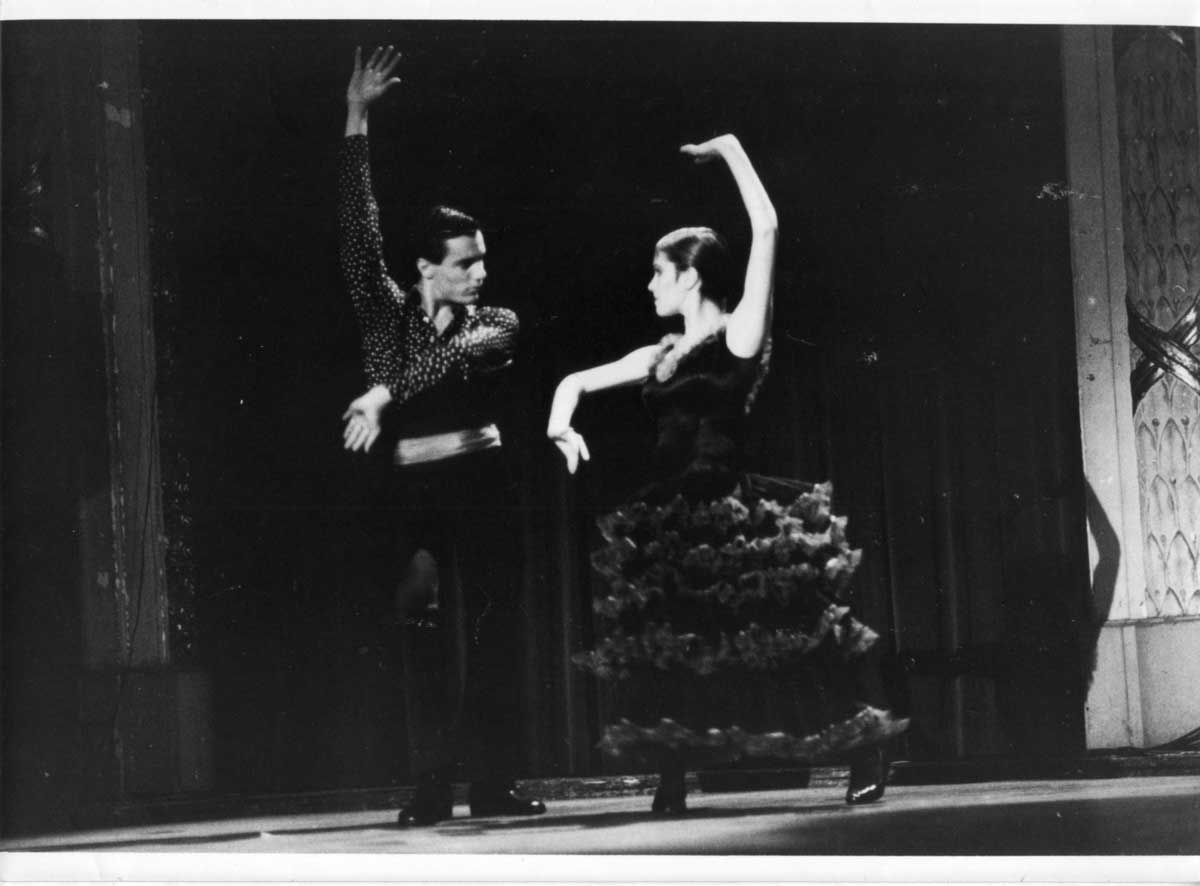 Ricardo Viviani and Ciça Teiveles Meirelles
”Uma beleza de trabalho, que transborda vitalidade e energia” Helena Katz 07 Set 1982





PDF Facsimile *Unproofed OCR Transcript*
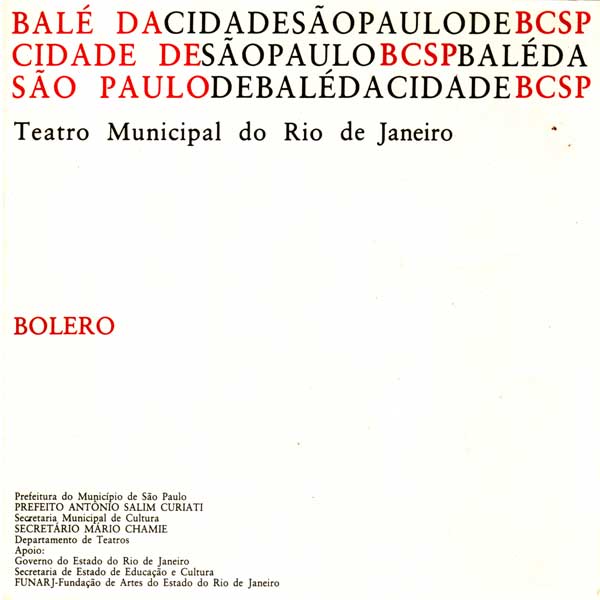
Title: Bolero
Company: Balé da Cidade de São Paulo
Premiere: 18 Sep 1982
Venue: Teatro Municipal de São Paulo
Author: Emilie Chamie
O espetáculo “Bolero”, criado para o Balé da Cidade de São Paulo, em dois momentos, foi concebido, originalmente, para o Centro Cultural São Paulo. No Centro Cultural contou com um numero determinado de bailarinos. Agora, transposto o espetáculo ao Teatro Municipal, esse número é acrescido: todos os bailarinos do novo Grupo Experimental executam o primeiro momento (“Bolero” de Ravel) e a totalidade dos integrantes do Balé da Cidade dançam o “Bolero” de Trythall. 0 espaço do Centro Cultural, onde o “Bolero” estreiou e obteve sucesso extraordinário em suas quatorze apresentações, é ativo e ativador. Lá, bailarinos e público se misturavam e trocavam energias em seu movimento e contato direto. Pela versatilidade da concepção de “Bolero”, usamos, agora, o palco e a platéia do Municipal, estabelecendo outro tipo de dinâmica a partir da arquitetura interior do teatro. Para tanto, dissolvemos os limites entre platéia e palco, transformando em espaço único visual corredores, frisas e proscênio. Se no Centro Cultural havia um quase corpo-a-corpo criativo entre bailarino e espectador, no Municipal o espectador se vê envolvido de forma multilateral e estimulante ainda que fixo em seu próprio lugar.
Creative Team:
Concepção e Direção: Geral Emilie Chamie
Coreografia: Lia Robatto (0 solo feminino foi inspirado e composto a partir dos movimentos da dançarina Sonia Mota)
Assistentes: Hugo Travers, Yara Ludovico, Julia Ziviani e Monica Mion
Figurinos: Murilo Sola
Elemento cênico: Emilie Chamie
Projeto do analisador de som em tempo real: Conrado Silva
Música: Maurice Ravel (Bolero) 1928 William Schinstine (Scherzo) 1978 John Cage (She is Asleep) 1943 Richard Trytball (Bolero) 1979
Músicos Grupo de Percussão Agora: Elizabeth Del Grande, John E. Boudier, José Carlos da Silva e Mário Frungillo
Assistente Musical junto ao BCSP: João Paulo de Mendonça
Iluminação: Iacov Hillel
Trilha Sonora: Flávia Calabi
Coordenação da Exposição: Valéria de Mendonça
Performers:
Simone Ferro, Julia Ziviani, Lilia Shaw, Beatriz Cardoso, Regina Restelli, Patricia Galvão, Nelly Guedes, Paula do Valle, Luciana Maluf, Mário Enio Jarry, Alberto Cidra, Sérgio Botelho, Marcos Verzani, Tony Callado, Raymundo Costa, Cacá da Boa Morte, Leila Sanches, Monica Mion, Aurea Ferreira, Nadia Luz, Bete Arenque, Ana Luisa Seelaender, Solange Caldeira, Ana Verônica, Franco Moran, Paulo Rodrigues e Antonio de Almeida Solistas Simone Ferro e Sonia Mota – Elenco Grupo Experimental: Ismael Ivo, Daniela Stasi, Mariana Muniz, Fernando Lee, Ciça Teivelis, Vivien Buckup, José Carlos Nunes, Susana Yamauchi, Eduardo Costilhes, Silvia Bittencourt, João Maurício, Mara Borba, Dolores Fernandes, Maria José Crescente, Marina Helou, Ricardo Viviani, Luiz Vasconcelos e Hugo Travers (participaqdo especial)
Balé da Cidade de São Paulo
Diretor Artístico: Klauss Vianna
Assistente de Direção: Ruth Rachou
Assistentes de Coreógrafo: Hugo Travers, Yara Ludovico, Monica Mion e Julia Ziviani
Professores: Ismael Guiser, Sonia Mota, Hugo Travers, Klauss Vianna e Joana Lopes
Programação: Cyra Gomes de Araújo Moreira Pianista Olga Carrera
Iluminador: Tanaka
Diretora de Cena: Cleusa Fernandez
Massagistas: Alvaro Faro Mendes e Daniel Pires
Encarregada do Guarda-Roupa Maria Cristina Tavares
Costureira: Clarinda Rodrigues Alves
Sonoplasta: Miguel Derosa
Inspetor do BCSP: Deoclides Pereira Fraga Neto
Performances:
820918 to 26 Teatro Municipal de São Paulo
8210012300 TMdSP II Festival Nacional de Dança
821103 to 04 Teatro Municipal do Rio de Janeiro
830605 to 10 Teatro João Caetano SP
Archival Material:
820918 Program, Poster, Photo; 821001 Program; 821103 Program; 830605 Program
Balé da Cidade de São Paulo
Grupo Marzipan with guest Ricardo Viviani – Dance Performance
Type: Dance Work / Piece · Production
Date: 1982
Context: Grupo Marzipan
Location: São Paulo, Brazil
Organisation: Grupo Marzipan
Role: Choreographer · Performer
Participants: Grupo Marzipan · Ricardo Viviani · Renata Melo
Status: Historical Record — incomplete / ongoing archival reconstruction
Record / Description
Danúbio Azul is a choreographic work by Ricardo Viviani, created and first presented with Grupo Marzipan in São Paulo in 1982.
The existing archive record identifies this presentation as the premiere of Danúbio Azul. Further research and surviving documentation indicate that the work was subsequently presented on a number of occasions and at different venues in São Paulo.
This record is being reconstructed from surviving programmes, poster material, photographs, personal recollection and independent historical research. Exact performance dates, venues, casts and programme contents will be added as the original documentation is located and examined.
The Work / Creation
Danúbio Azul was choreographed by Ricardo Viviani during his period of work with Grupo Marzipan in the early 1980s.
The work belongs to the experimental dance environment developed by Marzipan in São Paulo, where dance was combined with theatrical, visual and other performance languages.
Creative Team
Choreography: Ricardo Viviani
Additional creative and production credits are awaiting confirmation from surviving programmes and poster material.
Performers
Renata Melo: dancer / performer.
Renata Melo was an important member of Grupo Marzipan and is documented in Ricardo Viviani’s archive in connection with several works from this period. Her participation in Danúbio Azul is retained here as part of the ongoing documentary reconstruction.
Further performers will be added when confirmed from the surviving programme or other primary documentation.
Performance History
1982 — São Paulo: premiere of Danúbio Azul with Grupo Marzipan.
The work was subsequently presented in São Paulo at different venues. Existing archival references indicate presentations connected with MASP — Museu de Arte de São Paulo Assis Chateaubriand and other venues. The exact dates and programme contents remain to be reconstructed.
Madame Satã: Ricardo Viviani recalls performing Danúbio Azul many times at Madame Satã in São Paulo. The venue’s historical documentation confirms Marzipan’s presence among the dance groups presented there. The individual performances will be added when supported by programmes, posters, listings or other contemporary documentation.
Programme Context
Ricardo Viviani recalls that Lili Marlene, a choreography he created for Renata Melo, may have formed part of the same programme associated with this period of Grupo Marzipan performances.
This relationship is currently recorded as provisional. The surviving programme or poster will be used to establish whether Lili Marlene was actually included in the programme documented by this record.
If confirmed, Lili Marlene should remain a separate work record, with this page recording the programme relationship rather than absorbing the work into Danúbio Azul.
Relationship with Renata Melo
Renata Melo was a dancer with Grupo Marzipan and collaborated with Ricardo Viviani in several works during this period.
Ricardo Viviani created Lili Marlene specifically for Renata Melo. Their collaboration also included Serious Talk / Relações Interpessoais, documented elsewhere in the archive, as well as her participation in Danúbio Azul.
These works should be maintained as separate records while their relationship as part of a continuing Ricardo Viviani–Renata Melo collaboration is made explicit through reciprocal internal links.
Artistic Context
Grupo Marzipan emerged in São Paulo in the early 1980s and became associated with an experimental approach combining dance with theatre, mime, visual culture, popular imagery and other performance languages.
Danúbio Azul belongs to the early period of this development and forms part of Ricardo Viviani’s early choreographic work in São Paulo.
Research
Independent research on the history of Grupo Marzipan identifies Danúbio Azul among the group’s early works and identifies Renata Melo among the artists associated with the group.
Further reconstruction will rely primarily on the surviving programmes, poster material and photographs held in Ricardo Viviani’s archive, supplemented by contemporary press and later historical research.
Primary Source / Documentation
Known or expected primary documentation includes:
- programme material for the 1982 presentation;
- poster material;
- photographs;
- a photograph taken by Roberto Frankenberg;
- programmes documenting presentations at MASP and other venues;
- possible documentation of performances at Madame Satã;
- contemporary publicity and press material, if located.
The original programmes are particularly important because they may establish the complete cast, the relationship between Danúbio Azul and Lili Marlene, and the precise sequence and contents of the programme.
Archival Material
Current archival inventory:
- photograph by Roberto Frankenberg — identified, original source to be examined;
- poster — to be located / examined;
- programme — to be located / examined;
- additional photographs — to be located;
- contemporary press and publicity material — pending reconstruction.
Legacy filenames and documentary identifiers should be retained when the material is migrated, where they contribute to archival reconstruction.
Contribution / Significance
Danúbio Azul is part of Ricardo Viviani’s early choreographic production and his work with Grupo Marzipan in São Paulo. The surviving documentation has particular value for reconstructing the movement of experimental dance between museums, cultural institutions and alternative performance spaces during the 1980s.
Assessment / Relevance
The combination of programmes, poster material and photographic documentation may allow this record to develop into a detailed performance history rather than remaining only a record of the 1982 premiere.
The connection with Renata Melo is also significant because Danúbio Azul, Lili Marlene and Serious Talk / Relações Interpessoais document a continuing artistic collaboration that should be represented across the archive without collapsing the individual works into one record.
Post Scriptum
September 2026: Ricardo Viviani identified further surviving documentation relating to Danúbio Azul, including a photograph by Roberto Frankenberg, poster material and programmes. Further documentary examination is pending.
Ricardo also recalls that Lili Marlene, created for Renata Melo, may have been included in the same programme. This remains provisional until the original programme or another contemporary source confirms it.
Keywords
Danúbio Azul, Ricardo Viviani, Grupo Marzipan, Marzipan, Renata Melo, Lili Marlene, Serious Talk, Relações Interpessoais, Roberto Frankenberg, MASP, Museu de Arte de São Paulo, Madame Satã, São Paulo, choreography, dance, performance, 1982, Brazilian dance, experimental dance
External Links
Roberto Frankenberg — Biography
Madame Satã — History
Research on Zélia Monteiro and Grupo Marzipan
Internal Links
Renata Melo — Danças Novas e Uma Usada
Seis Histórias de Amor — Grupo Marzipan Production
Colchões Ortopédicos — Dance Concert
Archival Note: This page forms part of an ongoing personal archive documenting Ricardo Viviani’s professional work and activities over more than four decades. Names and other personal information appear where relevant to the documented work or collaboration. If you believe that information concerning you has been published incorrectly or should be reconsidered, please contact me.
Seis Histórias de Amor – Grupo Marzipan Production

Type: Dance Work / Piece · Production
Date: 1983
Context: Grupo Marzipan production
Location: São Paulo, Brazil
Institution / Organisation: Grupo Marzipan
Role: Choreographer
Participants: Grupo Marzipan
Status: Historical Record — incomplete / ongoing archival reconstruction
Record / Description
Seis Histórias de Amor was a production of Grupo Marzipan in São Paulo, choreographed by Ricardo Viviani. Independent historical sources identify the work as one of the group’s early productions and place it in 1983. The production forms part of Marzipan’s experimental work at the intersection of contemporary dance, theatre and other performance practices in São Paulo in the early 1980s.
The Work / Creation
Seis Histórias de Amor belongs to the early period of Grupo Marzipan, a collective that emerged in São Paulo in 1982 and developed an experimental language combining dance with theatrical and other performance resources.
Ricardo Viviani was responsible for the choreography of Seis Histórias de Amor. The production should therefore be treated as an authored choreographic work within Viviani’s professional development, rather than simply as a Marzipan group activity.
Contemporary retrospective documentation describes Seis Histórias de Amor as Marzipan’s second spectacle and associates the production with the group’s early period, when its work was characterised by an innovative and highly theatrical approach to dance. The critical description of Marzipan identifies the group’s language as fast, direct and visually oriented, incorporating theatre, mime and other performance resources.
Choreography / Creative Team
Choreography: Ricardo Viviani
Further creative and production credits should be added from the surviving programme, poster and other primary documentation as these materials are located and verified.
Performers / Collaborators
The surviving documentation is still being reconstructed. Independent research confirms the participation of members of Grupo Marzipan in Seis Histórias de Amor, including Zélia Monteiro. The complete cast and individual roles should be reconstructed from the surviving programme and other contemporary documentation rather than inferred from later Marzipan histories.
Performance / Presentation
1983 — São Paulo, Brazil
Independent documentation places Seis Histórias de Amor in São Paulo in 1983. A historical theatre-poster catalogue records a Marzipan presentation of Seis Histórias de Amor at MASP and Centro Cultural. The precise dates, venues and sequence of presentations should be established from the surviving poster, programme and contemporary press documentation.
Artistic Context
Grupo Marzipan emerged in São Paulo in 1982 during a period of significant experimentation in contemporary dance and theatre. The group worked in alternative and non-traditional performance environments and developed a distinctive relationship between dance, theatre, mime, visual composition and popular cultural references.
Marzipan’s work has subsequently been described as innovative within the São Paulo dance environment of the early 1980s. Marcos Bragato’s historical account describes the group’s work as incorporating theatre and mime and developing a highly visual and dynamic language referred to as “dança clip”.
Seis Histórias de Amor belongs to this formative period of Marzipan’s development and is particularly significant within Ricardo Viviani’s archive because it documents his work as choreographer within the group.
Research / Historical Documentation
Later historical and scholarly sources provide independent evidence for the production and its place within the history of Grupo Marzipan. Revista Dançar, in a retrospective account of Marzipan, identifies Seis Histórias de Amor as the group’s second spectacle and discusses the aesthetic characteristics of the production and the development of the company.
Research concerning Zélia Monteiro independently records her participation in Seis Histórias de Amor in 1983, providing additional evidence for the production’s date and cast history.
Relationship / Professional Collaboration
Seis Histórias de Amor is an important record of Ricardo Viviani’s professional relationship with Grupo Marzipan and of his development as a choreographer in São Paulo during the early 1980s.
The production should be considered separately from Viviani’s other work with Marzipan, including Danúbio Azul, while forming part of the same broader period of collaboration and artistic experimentation.
Primary Source / Documentation
The principal documentary evidence for this record is expected to include the surviving programme, poster, photographs and other production materials held in Ricardo Viviani’s personal archive. These materials should be used to establish the exact production credits, performers, dates, venues and presentation history.
Until these materials are fully examined, details not independently established should remain qualified rather than reconstructed from later sources.
Archival Material
1983 — Programme for Seis Histórias de Amor — surviving material to be added
1983 — Poster — surviving material to be added
1983 — Photographs — surviving material to be added
1983 — Press / critical documentation — further research ongoing
Contribution / Significance
Seis Histórias de Amor represents an important stage in Ricardo Viviani’s development as a choreographer and places his work within the experimental contemporary dance environment of São Paulo in the early 1980s. The production is also part of the documented history of Grupo Marzipan, a significant independent group working across dance and theatre during this period.
Assessment / Relevance
The combination of surviving primary documentation and independent historical sources makes Seis Histórias de Amor a significant record for reconstructing Viviani’s early choreographic work. Further examination of the surviving programme, poster, photographs and contemporary press should allow the production record to be substantially expanded.
Keywords
Seis Histórias de Amor, Grupo Marzipan, Marzipan, Ricardo Viviani, choreography, choreographer, Zélia Monteiro, São Paulo, contemporary dance, dance theatre, Brazilian dance, 1983
External Links
Revista Dançar — Grupo Marzipan and Seis Histórias de Amor
Flávia Scheye Spirópulos — research on Zélia Monteiro and Grupo Marzipan
Helena Katz — Brazilian dance chronology and documentation
Internal Links
Colchões Ortopédicos – Dance Concert
Blue Danube / Danúbio Azul
Marzipan Dance Group – Concert
Archival Note: This page forms part of an ongoing personal archive documenting Ricardo Viviani’s professional work and activities over more than four decades. Names and other personal information appear where relevant to the documented work or collaboration. If you believe that information concerning you has been published incorrectly or should be reconsidered, please contact me.
Cisne Negro Dança – Repertoire Company
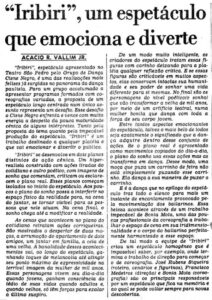
IRIBIRI — Review Acacio R. Vallim Jr.
Type: Reception / Critical Documentation · Review
Date: 28 May 1982
Context: Contemporary critical reception of IRIBIRI by Grupo de Dança Cisne Negro
Location: São Paulo, Brazil
Institution / Organisation: O Estado de São Paulo
Publication: O Estado de São Paulo
Role: Reviewer / Critical commentator
Participants: Acacio R. Vallim Jr. — reviewer; Grupo de Dança Cisne Negro — subject of review; Ricardo Viviani — performer in IRIBIRI
Status: Historical Record — documented
Record / Description
This record preserves the contemporary review of IRIBIRI by Acacio R. Vallim Jr., published in O Estado de São Paulo on 28 May 1982, shortly after the work’s premiere at Theatro São Pedro on 10 May 1982. The review describes the production by Grupo de Dança Cisne Negro as one of the notable achievements of the São Paulo dance scene and discusses its unusual structure as a long-form work centred on a single subject rather than a programme of independent choreographies.
Vallim’s criticism focuses particularly on the relationship between everyday action and poetic or dream imagery, the transformation of ordinary movement into dance, and the integration of direction, choreography, scenography and costumes. He identifies Francisco Medeiros, José Rubens Siqueira and Sônia Mota as central creative figures in the production and comments on the coherence of their respective contributions.
Reception / Critical Documentation
The review, headed “IRIBIRI um espetáculo que emociona e diverte”, presents a strongly favourable contemporary assessment of the production while also noting what Vallim describes as the limited stage maturity of some performers. He considers the work accessible to a broad audience and emphasises its capacity both to move and entertain.
Vallim analyses IRIBIRI as operating through two interconnected scenic planes: a hyperrealist plane constructed from everyday actions and a poetic plane of dream images that comments upon, questions and ultimately transforms the reality represented on stage. He describes scenes involving waking, domestic activity, a family dinner and an old woman, through which the production gradually develops themes of melancholy, the passage of time, human limitation and the possibility of imagining another life.
A central point of the review is the function of dance within this structure. Vallim observes that everyday actions are transformed into dance within the poetic plane, using the example of a woman pulling a shopping trolley: the action remains recognisable while becoming choreographic movement. He identifies the final ensemble sequence as another moment of enchantment produced through the dancers’ movement.
The review specifically praises Sônia Mota’s choreographic work, particularly her treatment of the stage as a three-dimensional space and the relationship between the dancer’s body and that space. Vallim also emphasises the degree of integration among the different artistic functions, observing that it becomes difficult to determine where direction ends and choreography begins.
Publication
IRIBIRI um espetáculo que emociona e diverte, by Acacio R. Vallim Jr., published in O Estado de São Paulo, 28 May 1982.
Primary Source / Documentation
The surviving newspaper clipping establishes the contemporary publication of the review and its attribution to Acacio R. Vallim Jr. The scan is retained as the primary documentary source for the transcription below. The transcription follows the text preserved on the existing archive record; apparent typographical or scanning irregularities have not been silently normalised where they form part of the surviving transcription.
Review Transcription
“IRIBIRI um espetáculo que emociona e diverte”
ACACIO R. VALLIM JR.
O Estado de São Paulo — 28 Maio 1982
“IRIBIRI”, espetáculo apresentado no Teatro São Pedro pelo Grupo de Dança Cisne Negro, é uma das realizações mais felizes já surgidas no panorama da dança paulista. Para um grupo acostumado a apresentar programas formados com coreografias variadas, a proposta de um espetáculo longo centrado num único assunto representa um desafio. Esse desafio o Cisne Negro enfrenta e vence com muita energia a despeito da pouca maturidade cénica de alguns intérpretes. Tanto pela proposta do tema quanto pela impecável produção do espetáculo, “IRIBIRI” é um trabalho destinado a qualquer platéia e que vai emocionar e divertir o público.
“IRIBIRI” se desenvolve em dois planos distintos de ação cénica. Um hiperrealista construído com ações tiradas do cotidtano e outro poético, com imagens de sonho que comentam, criticam ou esclarecem o plano real. Esses planos começam isolados no início do espetáculo. Aos poucos o plano do sonho possa a interferir no espaço físico da realidade para, na cena do jantar, se tornar visível para as pessoas que nele atuam. Na cena final, o sonho chega até a modificar a realidade.
As cenas que acontecem no plano do cotidiano retratam ações corriqueiras. São mostrados o despertar de duas moças, a arrumação do apartamento de dois amigos, um jantar em família, a ceia de uma velha. A banalidade desses acontecimentos vai, ao longo do espetáculo, ganhando toques de melancolia até atingir seu ponto máximo de expressividade na terrível imagem da mulher de mil anos. Essas personagens vivem seu dia-a-dia quando jovens, ganham consciência do tédio de suas vidas quando adultos e, quando velhos, só tém forças para exalar o últtmo suspiro.
De um modo muito inteligente, os criadores do espetáeulo tratam essas figuras com carinho deixando para a platéia qualquer reflexão crítica. E se essas figuras são criticáveis em muitos aspectos, elas conservam intactas sua humanidade e seu poder de sonhar uma vida diferente para si mesmas. No final são os personagens do nível poético(o sonho) que vão transformar a velha de mil anos, por meio de um artifício teatral, numa mulher bonita que dança com toda a força de seu corpo jovem.
Entre tantos aspectos emocionantes do espetáculo, talvez o mais belo de todos seja exatamente o significado que a dança adquire dentro desse conjunto de ações. Se o plano real é apresentado como movimentos copiados do dia-a-dia, o plano do sonho usa essas ações mas as tránsforma em dança. Desse modo, uma moça que puxa um carrinho de feira não está simplesmente puxando esse carrinho. Ela dança a sua maneira de puxar o carrinho.
E é a dança que no epílogo do espetáculo traz todo o elenco para mais um instante de encantamento provocado pela movimentação dos bailarinos. Essa beleza acontece através de um trabalho impecável de Sonia Mota, uma das poucas profissionais da coreografia a trabalhar o espaço de cena em sua trídimensionalidade e o corpo do bailarino perfeitamente harmonizado a esse espaço.
De tal modo a equipe de “IRIBIRI” criou um espetáeulo homogeneo que é impossível saber, por exemplo, onde termina o trabalho de direção para começar o de coreografia. José Rubens Siqueira (roteiro, cenários e figurinos), Francisco Medetros (direção) e Sônia Mota (coreografia) são os principais responsáveis por um espetáculo que fica na memória e ao qual se pode voltar sempre para novas descobertas.
Relationship
This review documents the contemporary reception of IRIBIRI, the production recorded on IRIBIRI. It concerns the Grupo de Dança Cisne Negro production premiered at Theatro São Pedro on 10 May 1982 and includes discussion of the work of Francisco Medeiros, José Rubens Siqueira and Sônia Mota.
Archival Material
Surviving newspaper clipping / scan of the review; transcription of the review; related IRIBIRI production documentation.
Continue reading “IRIBIRI — Review Acacio R. Vallim Jr.”