‘Dance is at the bottom of the food chain.’ (William Forsythe 2009)
Neuroscientists, philosophers, and also dance academics of all sorts have been trying to figure out what it is: what do dancers know that other people can’t grasp? Unless they’ve been through the mill of arduous training and rehearsing, they have no way of knowing it. Call it embodied knowledge, somatic intelligence and so forth, it is rarely articulated by dancers, so there’s little understanding of it outside the dancer’s circle. It is a secret. A secret not by intention but by virtue of its nonverbal nature.
Title: Crie Futuros / Create Futures Movement Type: Presentation · Artistic Research / Education Date: 2–3 December 2013 Context:Inventing Futures — Artistic Research With(in) Educational Institutions Location: ArtEZ Arnhem, The Netherlands Role: Presenter · Researcher
Crie Futuros / Create Futures Movement
The presentation introduced the ideas of Brazilian choreographer, futurologist, creative-economy consultant and activist Lala Deheinzelin, drawing particularly on her book Desirable New World. The presentation considered how intangible resources such as culture, creativity and wellbeing can contribute to a sustainable and attainable future.
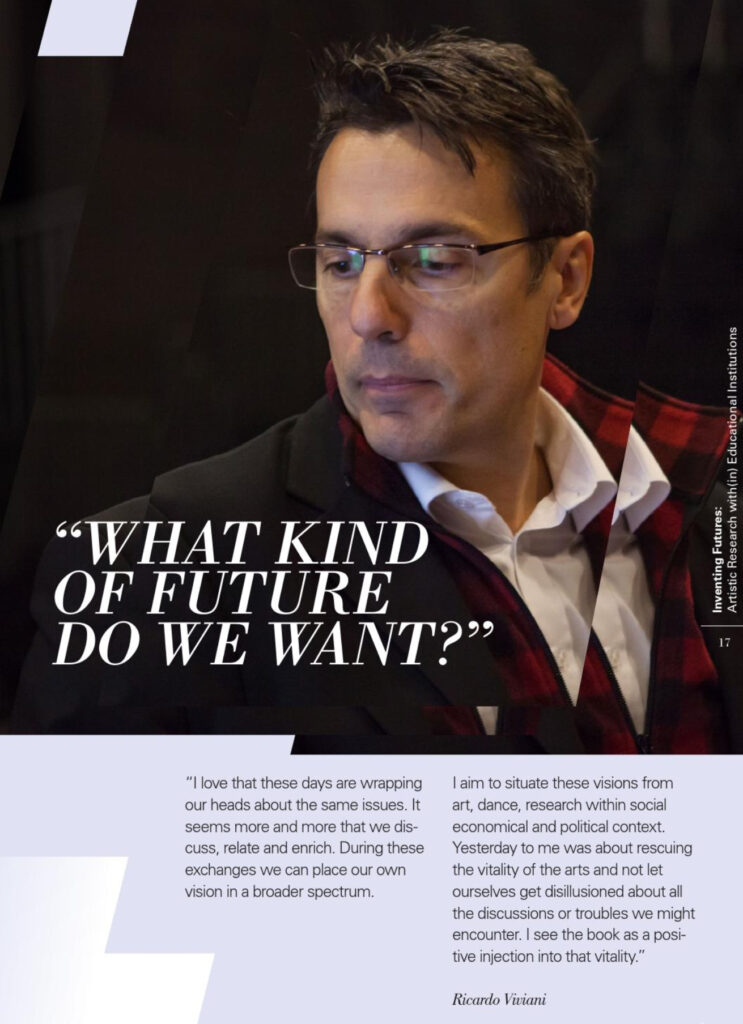
From the perspective of a choreographer, the presentation asked how knowledge developed through dance and performance might contribute to broader questions of creativity, participation and social development. A central question was: What do dancers know that non-dancers can’t grasp?
The presentation approached dance practice as a source of knowledge that is often implicit and difficult to articulate outside the circle of dancers. It connected physical and pedagogical practice with questions of communication, collaboration, decision-making and ways of understanding intangible resources.
Deheinzelin’s framework also proposed a methodology for imagining futures through inventing futures, pooling resources, collaborative models, identifying resources and measures, and implementation. In this context, choreographic knowledge was considered as one possible contribution to broader strategies for creating desirable futures.
The presentation was part of Crie Futuros Movement within the conference discussion of artistic research in educational institutions.
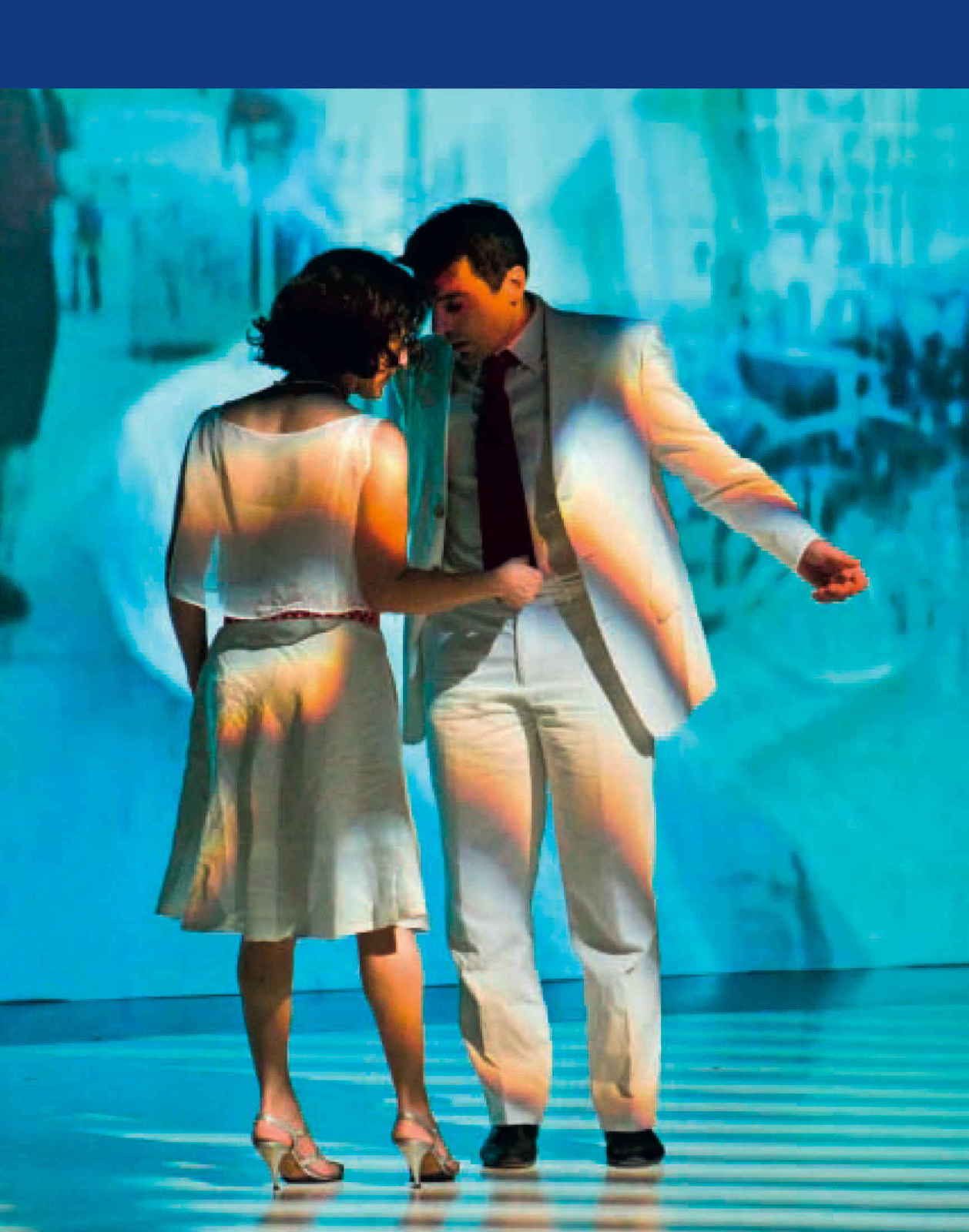
For this performance-installation I revisited a solo I created based on issues I was dealing during my own studies – a lecture with no explanatory texts.
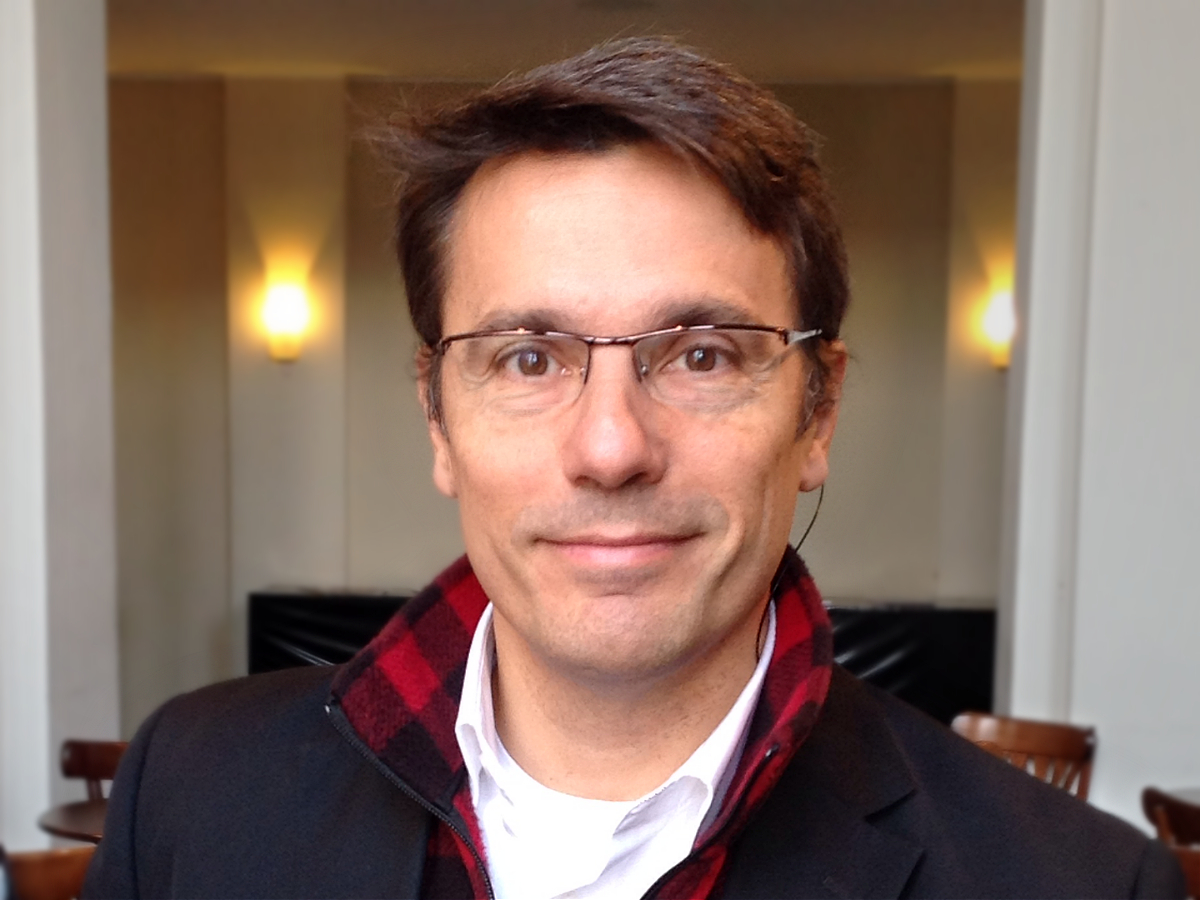
Ricardo Viviani wurde in São Paulo, Brasilien geboren. Er studierte Choreographie bei der legendären Bessie Schoenberg, später dann an der Joffrey Ballet School in New York und war Stipendiat an verschiedenen Tanzinstituten in Brasilien und den USA. Danach wurde er Solotänzer beim Balé da Cidade de São Paulo, der Manuel Alum Dance Company und am Nationaltheater Weimar. In den Musicals „A Chorus Line“ und „Oh! Calcutta!“ wirkte er als Darsteller am Broadway mit. Als Choreograph brachte er eigene Tanzabende in São Paulo, New York und Köln heraus. Im Bereich Musiktheater choreographierte er u.a. die Operette „Im weißen Rössl“ am Nationaltheater Weimar, „Gegen die Wand“ am theaterhagen und am Theater Heilbronn das Musical „The Wild Party“.
Published in April 2010 by Land NRW – Abteilung Kultur, this is a study by Sinus Sociovision GmbH of the social positioning of immigrants in Germany today. It features a large amount of pictures of the production QuaaDriDuuo, even thou it doesn’t talk about it at all.
It intends to be free from preconceptions and cliches. The study delivers a great amount graphical statistics making it a basic instrument for decision making. It has a strong focus on the cultural production of immigrants in Germany or as the officially correct term defines: „Menschen mit Migrationshintergrund“ *.
* The European concept ‘nationality’ is very different from the one in the American continent. The German language Wikipedia entry for the word Migrationshintergrund is elucidating and also makes for an amusing read defining the term ‘Biodeutsch’ as an antonym to immigrants.